In a world that feels increasingly loud and fast-paced, many of us are searching for a way to reconnect with ourselves. We look for tools to help us manage our stress, but sometimes the most powerful “tools” aren’t apps or gadgets, they are ancient traditions that have helped humans find peace for centuries.
Today, I want to share a profound teaching that offers a different path to clarity. It’s a session on the Nolsang practice by Lopon Tingdzin, and it is an invitation to slow down and look inward.
You can watch the full teaching here
Understanding Nolsang Practice
The term “Nolsang” comes from the Tibetan Buddhist tradition. At its core, it is a practice of purification. While that might sound like a heavy word, in this context, it simply means clearing away the “fog” that prevents us from seeing our true nature and the world around us clearly.
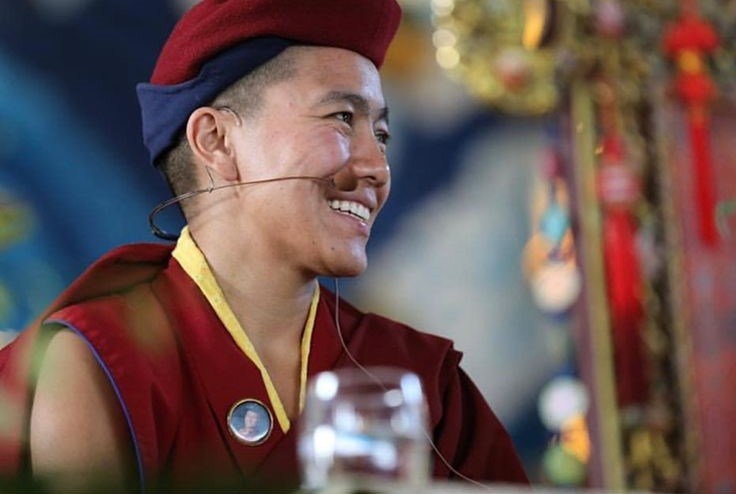
Lopon Tingdzin is a teacher known for his ability to break down these deep, complex instructions into something accessible. In this session—the 17th in a series recorded in August 2020—she guides students through the nuances of the practice with patience and wisdom.
Why This Practice Matters Today
Even if you aren’t a practising Buddhist, the principles found in Nolsang are incredibly relevant to modern life. We all carry “mental clutter”—worries about the future, regrets about the past, and the constant hum of digital distractions. This teaching offers a structured way to:
- Cultivate Mental Clarity: By identifying the habits that cloud our minds, we can begin to let them go.
- Find Inner Calm: The practice encourages a state of being that isn’t dependent on what is happening in the outside world.
- Develop Compassion: As we clear our own internal hurdles, we naturally become more patient and kind toward others.
How to Engage with This Teaching
Because this is a deep, instructional video lasting over two hours, it isn’t something to “binge-watch” while multitasking. To get the most out of Lopon Tingdzin’s guidance, I suggest a more intentional approach:
1. Create a Dedicated Space. Treat this like a personal workshop. Find a comfortable, quiet place where you can sit without being disturbed. Turn off your notifications and allow yourself the luxury of being “unplugged.”
2. Take it in Sections. Don’t feel pressured to finish the entire two hours in one sitting. You might choose to watch 20 or 30 minutes at a time, allowing the instructions to settle before moving on to the next part.
3. Keep a Journal. You may find that certain phrases or concepts resonate with you. Jotting these down can help you reflect on how to apply the wisdom to your own life and challenges.
4. Be Patient with Yourself. Ancient practices like Nolsang are meant to be studied and practised over a lifetime. It’s okay if some parts feel complex or unfamiliar. The goal isn’t “mastery” overnight, but rather a gentle shift in how you relate to your own mind.
Final Thoughts
In our quest to be “productive” or “efficient,” we often forget that our most important work happens within. Lopon Tingdzin’s teaching on the Nolsang practice is a beautiful reminder that true peace comes from a clear heart and a quiet mind.
Whether you are looking for spiritual growth or simply a way to find more balance in your daily routine, this video is a wonderful resource. It reminds us that no matter how chaotic the world becomes, the path to stillness is always available to us.